
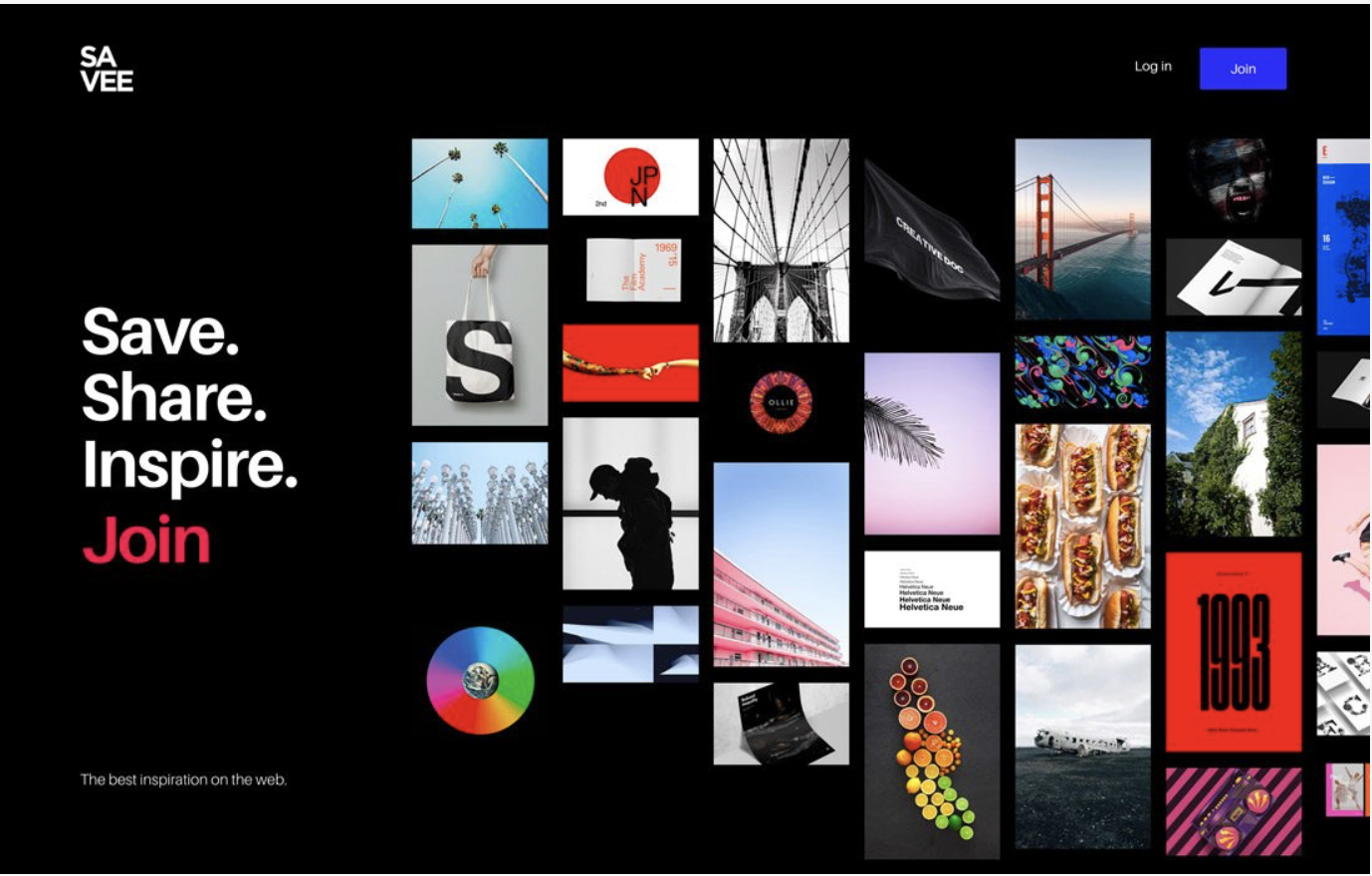
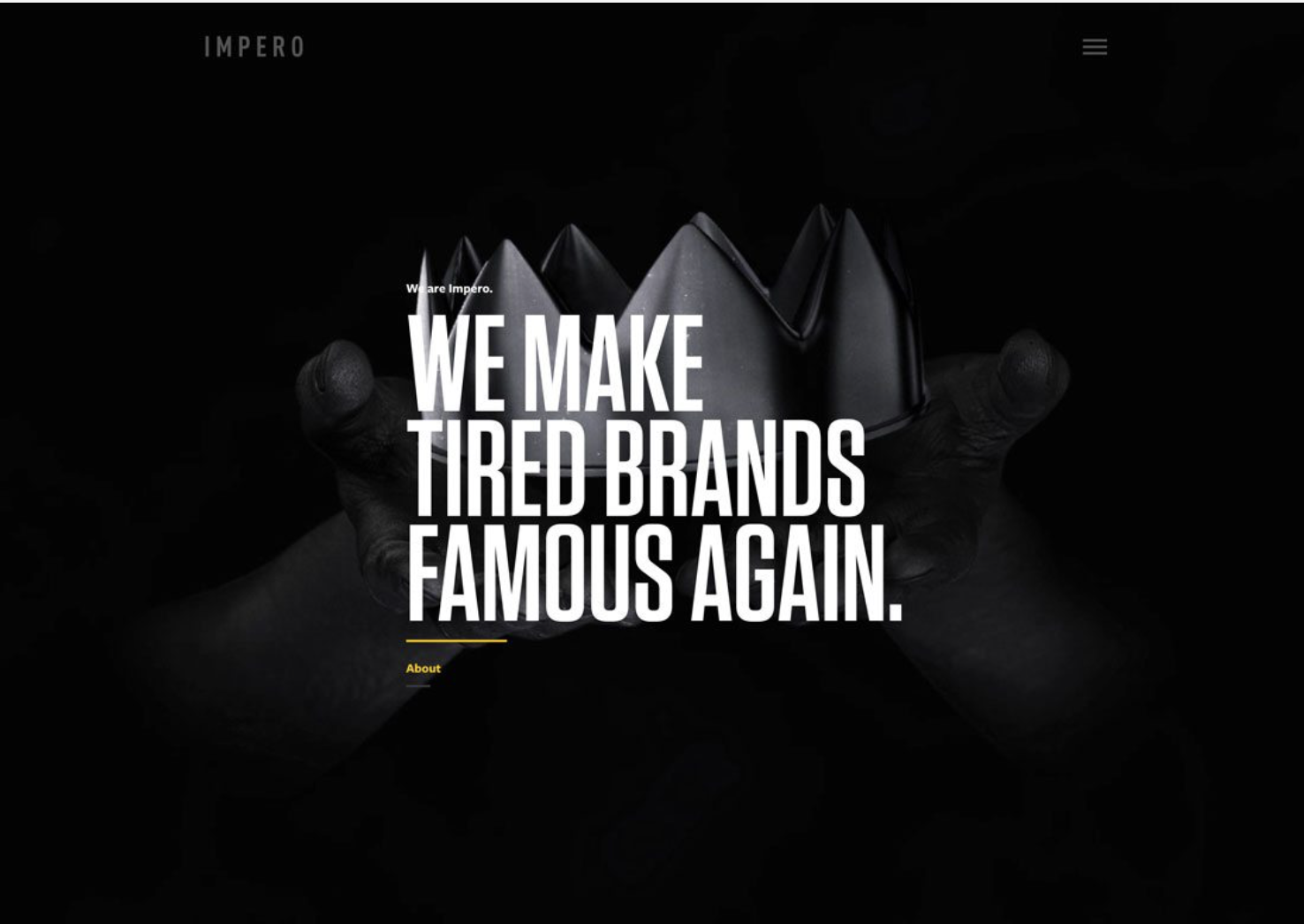
The Volkswagen “Think Small” campaign used a simple visual effect along with honesty. The VW bug is the only visual graphic in the ad and is small so your eye only has one focus. This can be used in the modern world of web design also. Visually busy websites can be overwhelming for users, especially in older generations. Keeping things simple so users can easily find things like the home icon or call to action is important because it will keep them engaged on the website.
The visual aspect of the ad is unique and an out of the box type strategy that worked very well. The marketing copy is also a unique approach and a fresh strategy. Due to the fact that fast cars were popular at this time and their VW bug did not relate to this trend they had to find another perk to get customers interested. They are very honest with the customer and make it clear that the VW bug is not there to compete with fast popular vehicles of this time period. By being honest with the customer it draws you into reading what the car does offer which is it’s advanced engine and the need for less maintenance. This can be used in modern websites because keeping it honest and true to the brand of the website will keep people coming back. Nobody wants to go on a website for a restaurant and have one idea of what they will be walking into then get there and it be completely different. They also take the brand name Volkswagon and shorten it too VW. This can also be used on websites because simplicity goes a long way when keeping users engaged.
Helmut Krone was an art director and is considered to be a pioneer of modern advertising. Krone’s “Think Small” advertisement for Volkswagen was voted the No. 1 campaign of all time in Advertising Age’s 1999 The Century of Advertising issue.
Julian Koenig was an American copywriter. He is widely considered one of the greatest copywriters in the history of advertising. At the firm DDB, he and Helmut Krone created the legendary “Think Small” and “Lemon” ads for VW under the supervision of William Bernbach.
William Bernbach was an American advertising creative director. He was one of the three founders in 1949 of the international advertising agency DDB. He was the creative director for the campaign “Think Small”.
DDB had simplicity in mind when coming up with the “Think Small” campaign, contradicting the traditional association of automobiles with luxury. They knew they had to come up with a unique angle. The creative execution broke with convention in a number of ways. Although the layout used the traditional format – image, headline and three-column body were retained, other differences were subtle yet sufficient to make the advertisement stand out.DDB had simplicity in mind when coming up with the “Think Small” campaign, contradicting the traditional association of automobiles with luxury. They knew they had to come up with a unique angle. It used a sans-serif font at a time when serif fonts were normal. It included a full-stop after the tagline “Think Small.” The body-copy was full of widows and orphans – all designed to give the ad a natural and honest feel. The image of the car was placed in the top left-hand corner and angled in a way that directed the reader’s attention toward the headline. Finally, the ad was printed in black and white, at a time when full colour advertisements were widely used.
“I implore you, value the work that you do. Put so much thought and effort into it that people will still care in fifty years.” The author of this quote is encouraging someone to take the time and effort in your work to stand out from the rest. To not be average in your work ethic but rise above the rest so your final product makes a big enough impression to last a lifetime.



 Designs By Jess